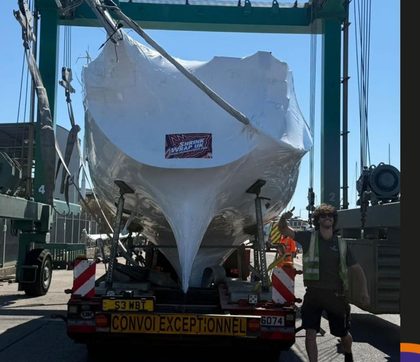
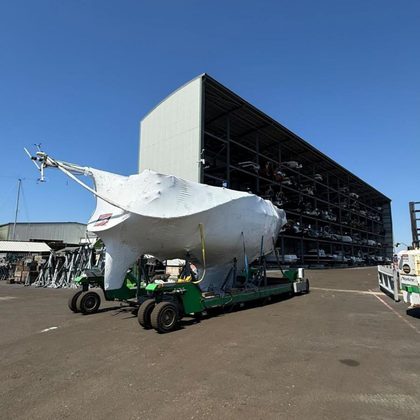
Most spring problems are winter mistakes. Here is the order to do things in, and where covers fit.
Most of what goes wrong over winter is decided in a single afternoon in October. Get the sequence right and the boat comes out in spring more or less as it went in. Get it wrong and you spend April on jobs that were entirely avoidable.
Before the lift
- Book the lift and the cover survey together — the yard fills from early October
- Empty and clean the bilges, and check the bilge pump and float switch work
- Note anything you want doing over winter while the boat is still in the water and you can see it running
Engine and fuel
- Change the oil and filter before layup, not after — used oil is acidic and sits in the sump all winter
- Top the fuel tank to reduce condensation space, and treat diesel against bug
- Drain or flush the raw water circuit and add antifreeze to the specified concentration
- Grease the stern gland and check the anode condition
Water and waste
- Drain the freshwater system fully, including the calorifier and any low points
- Drain and flush the heads and holding tank
- Leave taps open so any residual water has somewhere to expand
Below decks
- Strip soft furnishings and take them home, or at minimum lift cushions on edge so air moves behind them
- Open lockers, drawers and the fridge
- Remove electronics you would rather not leave aboard
- Leave a moisture absorber, but do not rely on it to do the job of ventilation
The cover
This is the part owners under-think. A cover has three jobs: shed water away from the topsides, keep UV and salt off, and let the boat breathe. Any cover that does the first two and not the third will hand you mildew in spring.
Framed, not draped
A cover laid straight over the rails ponds water in the low spots. Ponded water freezes, stretches the material and finds a way through. A shrink wrapped cover is built over a timber or webbing frame first, padded at every contact point, so water runs clear.
Vented
Vents at the high and low points, sized to the volume of the envelope. On timber hulls this matters more again — a wooden boat sealed up tight without airflow will suffer.
Access designed in
You will want to get aboard. Zipped hatches go in at survey stage so you are not cutting the cover open in December and taping it back up.
Through the winter
- Visit if you can, even briefly — it is how you catch a problem in week two rather than month four
- Check the cover after any serious blow, particularly around the base skirt
- Keep an eye on the cradle or props, especially after heavy rain on soft ground
Spring
Arrange cover removal before you need the boat, not on the morning you want to launch. Removal and disposal should already be in the original price — if it is not, ask why before you book.
Talk to us about your project
We install marine shrink wrap from our Isle of Wight base and travel across the UK every week. Every quote is fixed after survey, with removal and disposal priced in from the start.