Salt air, rain, UV and winter wind will take a boat apart faster than most owners expect. Here is what a proper marine cover does about it.
Own a boat in the UK and the maintenance bill is largely written by the six months it spends ashore. Salt-laden air, standing rainwater, UV and a winter of wind will do more to gelcoat, brightwork and upholstery than a full season of use ever will. The cover is not an optional extra — it is the cheapest maintenance you will buy all year.
What marine shrink wrap actually is
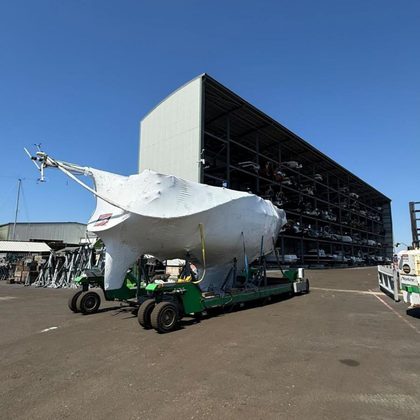
Marine shrink wrap is a heavy polythene film laid over a frame built on the boat, then heated so it shrinks drum tight into a single sealed skin. It is welded panel to panel rather than taped, so there are no laps for water to work through and nothing loose to flog in wind.
You will see it called boat shrink wrapping, yacht covers or winter boat covers. Same process, same result: a fitted, sealed, disposable cover that lasts a season and comes off cleanly.
Why the frame matters more than the film
This is the part that gets skipped, and it is the part that decides whether the cover survives January. Film laid straight over the rails will pond water in every low spot. Ponded water freezes, stretches the film, and eventually finds a way through — usually onto the cockpit sole.
A proper cover is framed first. Timber battens or webbing run fore and aft over a ridge line, padded at every contact point, so the finished surface sheds water clear of the topsides. On a flybridge cruiser with arches, davits and a radar post, the frame is most of the day’s work. If someone quotes you a boat cover without discussing the frame, they are quoting you a tarpaulin with extra steps.
Ventilation: the problem nobody expects
A sealed boat sweats. Warm days and cold nights drive condensation onto every cold surface inside the envelope, and if that moisture has nowhere to go it sits on gelcoat, upholstery and varnish for months. Mildew and staining in spring are almost always a ventilation failure, not a water ingress failure.
Vents go in at the high and low points as standard, sized for the volume of the envelope rather than fitted as a token pair. On timber hulls it matters more again — seal a wooden boat up tight without designed airflow and you will do more harm over a winter than the weather would have.
Where shrink wrap earns its place
- Winter lay-up ashore, from October through to spring
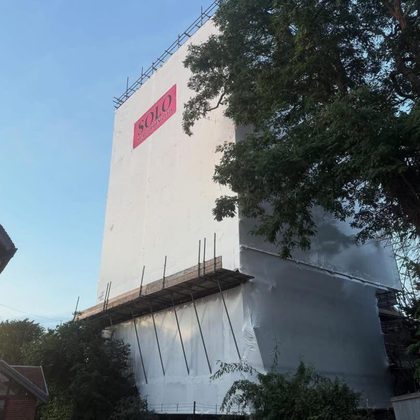
- Refit and maintenance containment, so a yard can work through winter regardless of weather
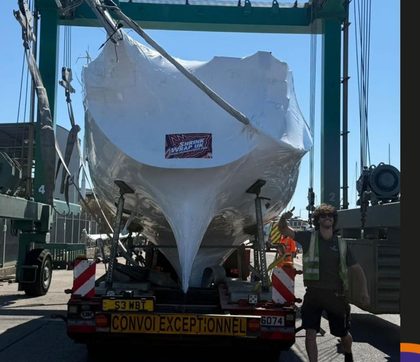
- Road transport, where salt spray and stone chip over a few hundred miles land on gelcoat and brightwork
- Export and containerised shipment, including craning and ferry crossings
- Marine plant, tenders, jet skis and dockside equipment that has to stand out and come back working
Shrink wrap versus a tarpaulin
A tarpaulin is reusable, which is its one genuine advantage. Against that: it ponds water, it flogs in wind and chafes gelcoat, its ties work loose and need re-tensioning through the season, it offers no ventilation control, and it has to be dried, stored and maintained. Every one of those is a cost, and most of them arrive at the worst moment.
A shrink wrapped cover is fitted once and forgotten. It comes off in spring and goes for recycling, and there is nothing to store.
What it costs, honestly
There is no price per foot worth quoting, because a 32ft flybridge cruiser and a 32ft sailing yacht with the rig up are different jobs. Length and beam set the film area; the rig, the arches and the davits set the framing time; and where the boat is sitting sets the travel. Those four together are the price.
What you should insist on is that removal and disposal are priced in from the start. A spring bill you did not expect is the most common complaint owners have about winter covers, and it is entirely avoidable.
When to book
The yards fill from the first week of October. If you want a cover on before the first proper blow, book the survey in September. Ringing round the week a gale is forecast is how people end up with a tarpaulin and a bad winter.
Talk to us about your project
We install marine shrink wrap from our Isle of Wight base and travel across the UK every week. Every quote is fixed after survey, with removal and disposal priced in from the start.