Nobody publishes a rate, and there is a reason for that. Here is what actually moves the number, and how to read a quote.
Ask what shrink wrapping costs and you will mostly get a shrug or a rate per square metre that turns out not to survive contact with the job. Both are unhelpful. This is what genuinely drives the number, sector by sector, so you can sanity-check a quote before you sign it.
Why a rate per square metre is misleading
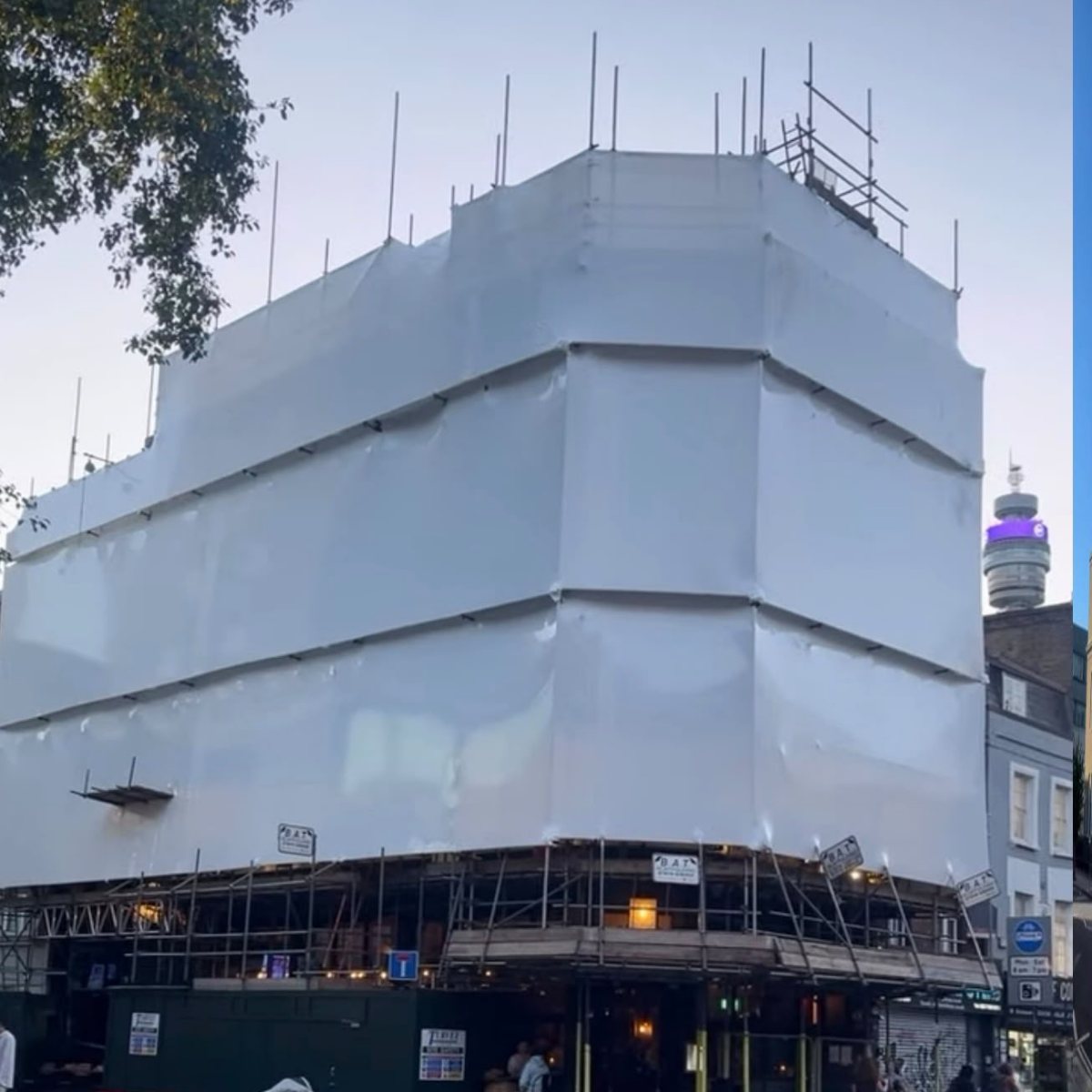
Film is the cheapest part of a shrink wrap job. Labour is the expensive part, and labour is driven by framing, access and detailing — none of which show up in a square metre figure. Two 300 square metre jobs can differ by half again depending on whether the crew are working off a scaffold or off a MEWP, and whether the shape is flat or full of protrusions.
A contractor quoting a rate before seeing drawings or photos is guessing. The guess gets corrected later, on your invoice.
The four things that actually set the price
1. Area of film on the frame
Not the footprint — the profile. Every elevation, return, roof, stair tower and overhang adds film. On a boat, beam and freeboard grow with length, so cover area rises faster than length does.
2. How much framing is needed
On a scaffold the frame already exists, which is why scaffold wrapping is comparatively predictable. On a boat, a machine or an airframe, the frame has to be built first, and it is often more than half the labour. Flybridges, arches, davits, radar posts and instrumented airframes all add hours.
3. Film grade
Flame-retardant grades and heavier gauges cost more per square metre. Typical figures are 200 to 250 micron on marine and transport work, and 250 to 300 micron on elevations and industrial envelopes, with heavier again on exposed faces and temporary roofs. Specify up where the job needs it and down where it does not — defaulting either way costs you.
4. Access, hours and travel
Restricted access, live pavements, permits, isolations, night and weekend working all add crew time. Travel should be its own line on the quote so you can see it, rather than being folded into a rate where you cannot.
What a good quote includes
- A fixed price after survey, not a rate subject to measurement
- Removal and disposal priced in from the start, not billed later
- Doors, vents and access panels itemised rather than assumed
- Film grade stated, with certification available at handover
- Travel shown separately
- RAMS supplied as standard on commercial work
Red flags in a quote
- "Subject to access" — this is a blank cheque
- Provisional sums for anything the surveyor could have measured
- No mention of removal, which usually means a spring or demob bill
- No mention of ventilation on a sealed envelope or a boat
- A price given over the phone without photos or drawings
A note on scaffold design
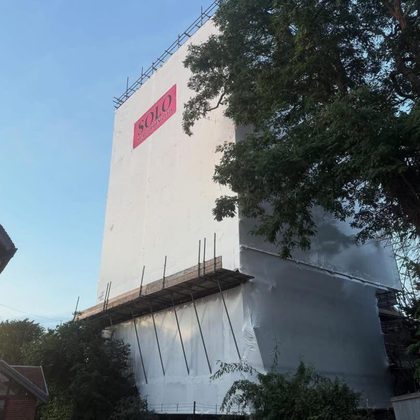
A wrapped scaffold catches considerably more wind than an open one. If the structure was not designed and tied for a wrapped load, the honest answer is that it needs revisiting before anyone wraps it. A contractor who raises that before taking your order is worth more than one who does not.
How to get a realistic figure quickly
Photographs and rough dimensions are usually enough. For scaffolding, the drawings. For a boat, length, make and model. For machinery, dimensions and where it is standing. Most enquiries can be answered the same working day on that basis, with the fixed price following the survey.
Talk to us about your project
We install shrink wrapping from our Isle of Wight base and travel across the UK every week. Every quote is fixed after survey, with removal and disposal priced in from the start.