Equipment rarely fails from one event. It fails from weeks of standing idle while moisture works into places nobody is looking.
Industrial assets almost never fail because of a dramatic event. They fail because moisture, grit and airborne contamination work into bearings, control cabinets and machined surfaces over weeks of standing idle, and nobody notices until commissioning. By then the cost of stripping and cleaning has usually overtaken the cost of covering it properly.
Why taped polythene does not work
The default is polythene and tape, and it fails for predictable reasons. Tape lets go in cold and in heat. The cover opens up the first time anything brushes past it. Access means cutting it and taping it back, so by week three the envelope is a patchwork. And there is no moisture management at all — the asset sweats under it.
A sealed envelope is only half the answer
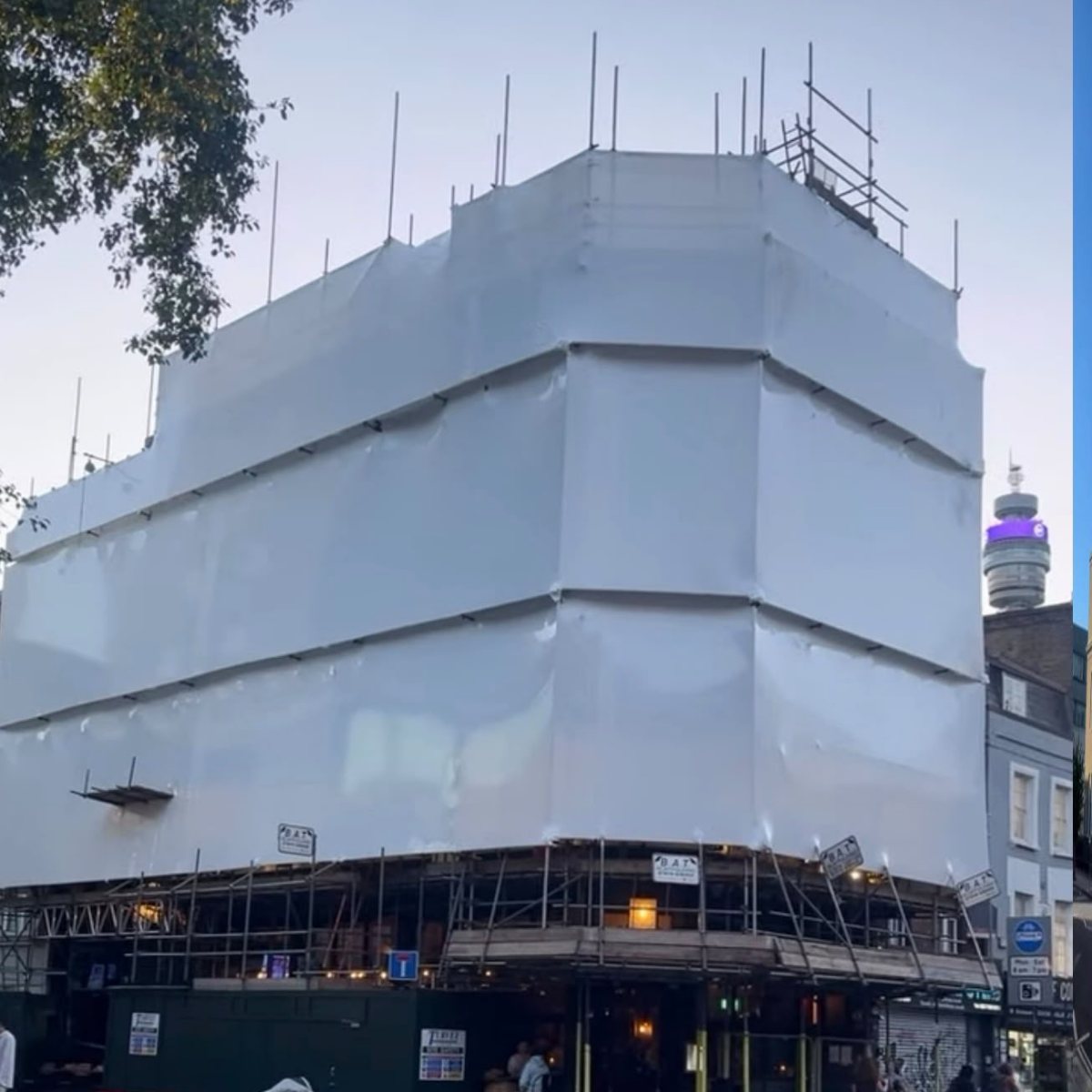
Heat-welded film gives you one continuous skin with no taped joints, which solves the physical integrity problem. But sealing an asset without managing moisture creates a new problem: humidity swings condense water onto the coldest surfaces inside the envelope, which are usually the machined ones you most wanted to protect.
That is why vents get sized to the envelope volume rather than fitted as a token pair, and why desiccant goes in for longer standing periods. On an exposed quayside in the north east, temperature swings will condense moisture inside a badly specified cover within days.
Wrapping in situ
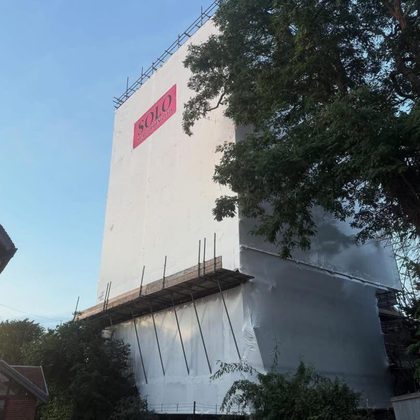
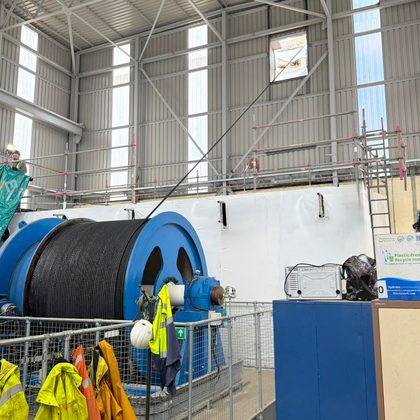
Most industrial work happens in place. Where the asset can take film directly, it is wrapped directly. Where it should not be touched — instrumented equipment, delicate surfaces, anything with a lot of protrusions — a freestanding frame goes up around it and the film is carried on that instead.
Design the access before you seal it
The most common complaint about a sealed asset is that nobody can get to it. Zipped panels, inspection hatches and service penetrations should be agreed at survey with the people who will actually need access, not decided by the crew on the day. Get that right and the envelope survives the whole shutdown intact.
Typical applications
- Plant and production lines through shutdowns, roof works and building refurbishment
- Long-term storage between projects or contracts
- Machinery sealed for relocation, and again at the far end before commissioning
- Oversized components — turbine blades, fabricated assemblies — in yard storage
- Structural steel and cladding stock protected on site before installation
- Palletised goods and bulk materials in open storage
What good looks like
- One welded skin, no tape
- Vents sized to the envelope, desiccant where standing time justifies it
- Access panels agreed with the people who need them
- RAMS supplied, and work fitted to your permits and isolations
- Photographic record at handover
- Removal priced in from the start
Talk to us about your project
We install industrial shrink wrap from our Isle of Wight base and travel across the UK every week. Every quote is fixed after survey, with removal and disposal priced in from the start.