

Extreme weather events are becoming more frequent across the UK. High winds, prolonged rainfall, sudden storms and cold snaps can leave buildings exposed, damaged and vulnerable to further deterioration.
When a property’s roof, façade or structure is compromised, immediate protection is essential. Without it, secondary damage can escalate quickly — resulting in structural decay, interior water damage, mould growth and costly insurance complications.
Professional shrink wrap weather protection provides a fast, secure and fully sealed solution for both domestic and commercial properties.
Unlike traditional tarpaulins, shrink wrap creates a tight, reinforced, weatherproof barrier that withstands wind, rain and prolonged exposure.
In this guide, we explain:
- What shrink wrap weather protection involves
- Why it outperforms tarpaulins
- When it should be used
- How it supports insurance claims
- Why professional installation matters
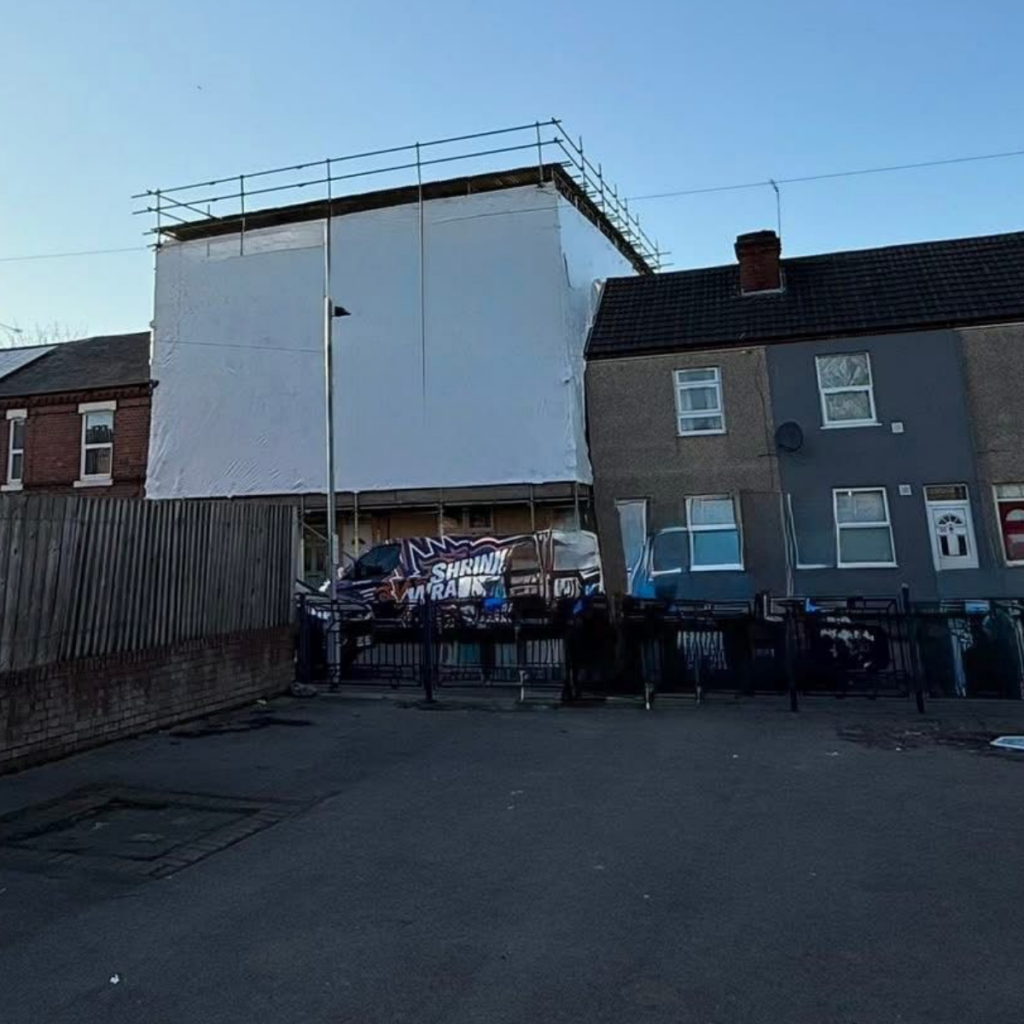
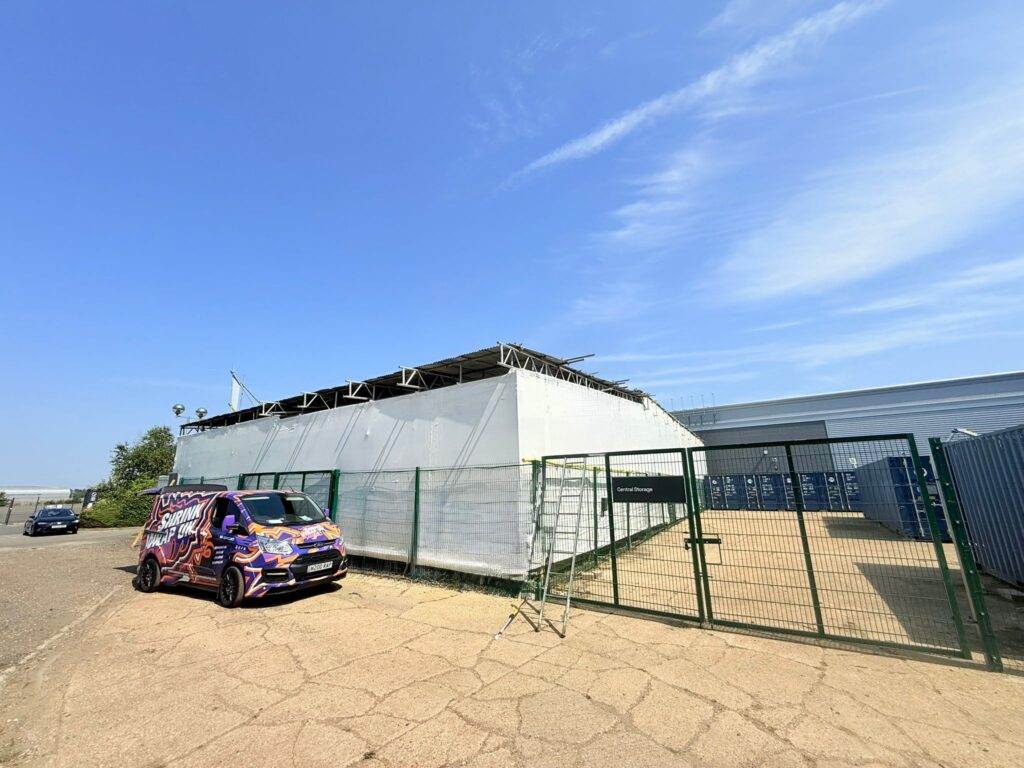
What Is Shrink Wrap Weather Protection?
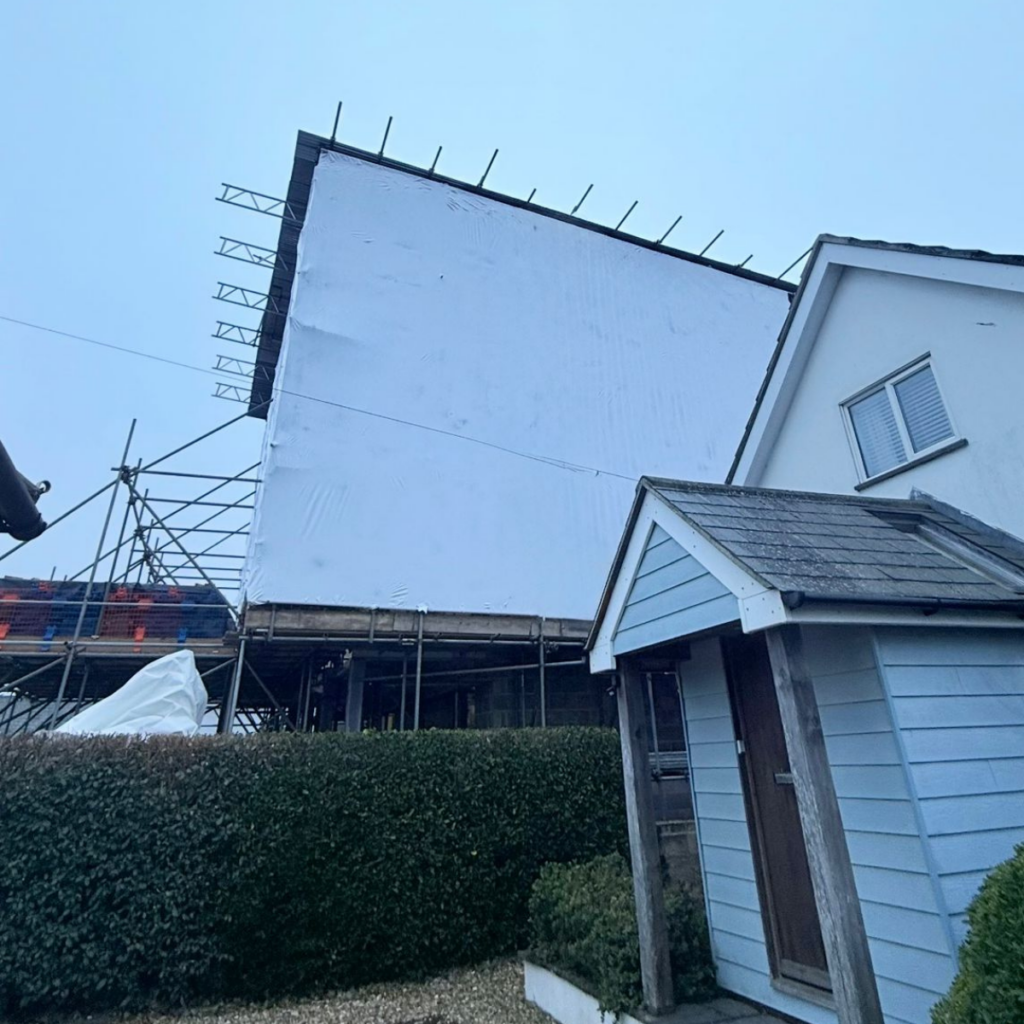
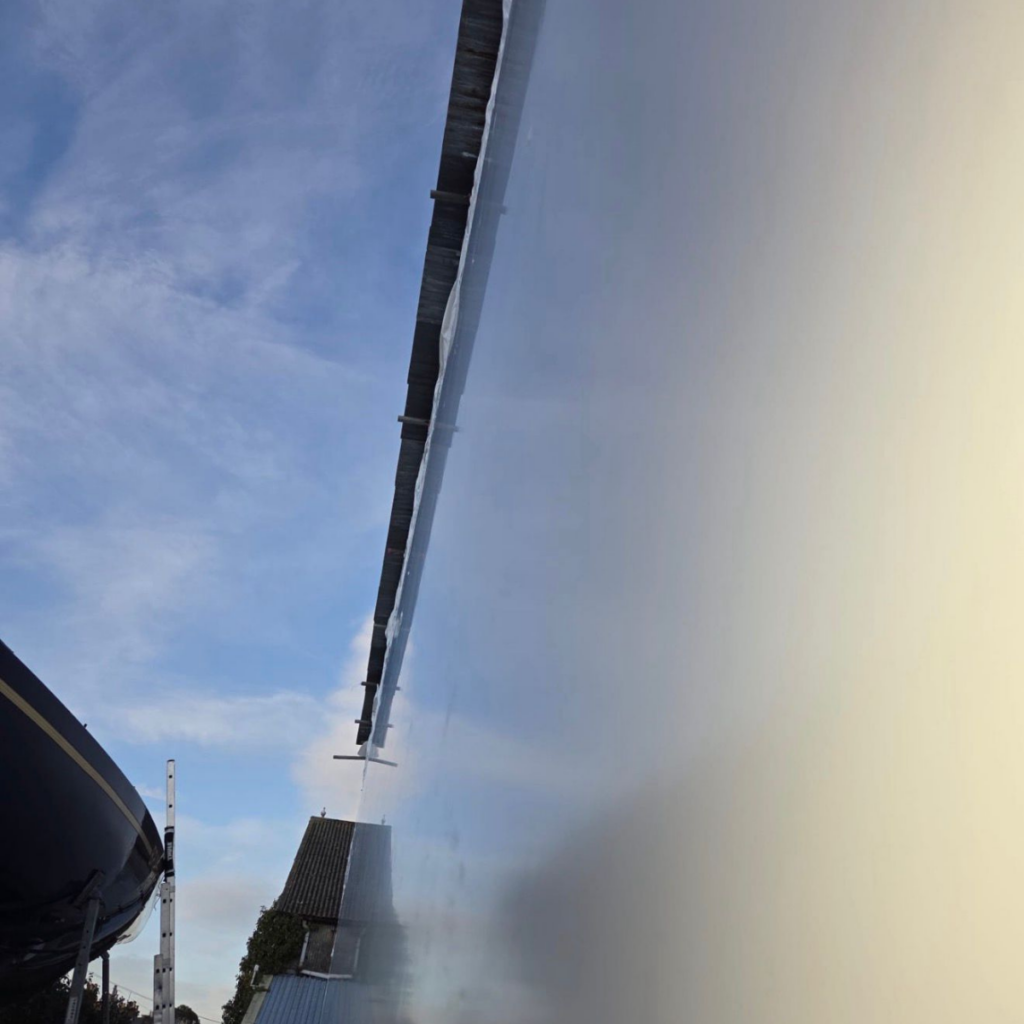
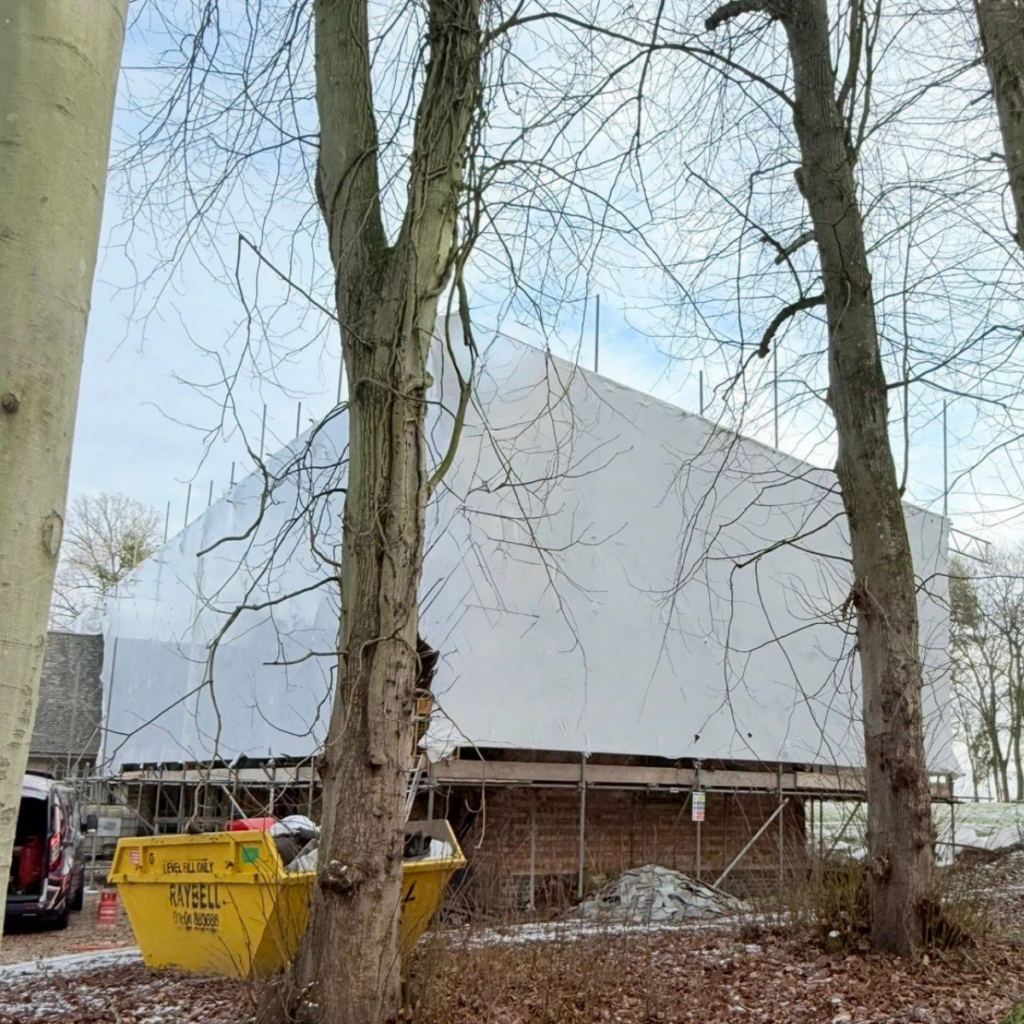
Shrink wrap weather protection involves installing a heavy-duty polyethylene membrane over a damaged or exposed area and heat-shrinking it to form a drum-tight seal.
It is commonly used for:
- Storm-damaged roofs
- Fire-damaged buildings
- Flood-affected properties
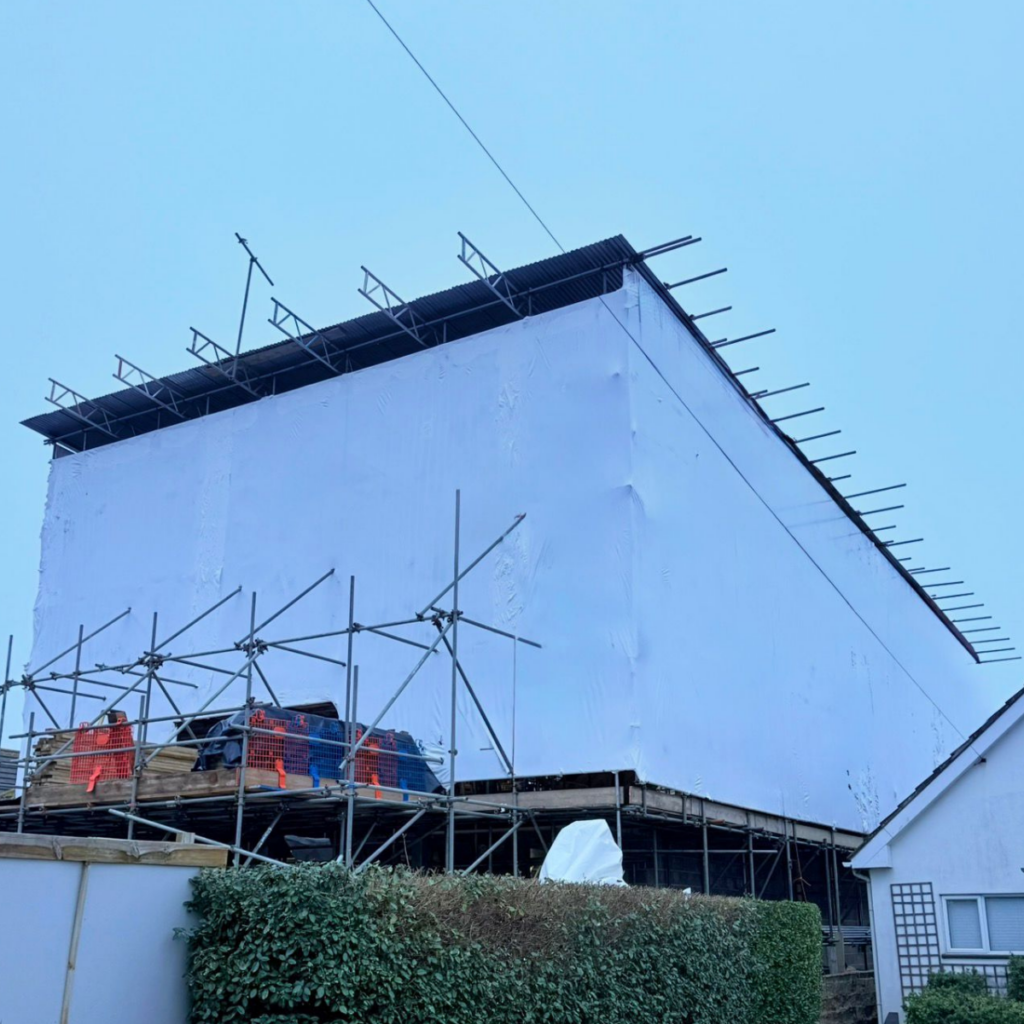
- Scaffold encapsulation
- Temporary roof systems
- Construction weather shielding
- Window and façade protection
The membrane is tensioned, sealed and reinforced to withstand harsh weather conditions for extended periods.
Why Tarpaulins Are No Longer Enough
In emergency situations, tarpaulins are often used as a quick fix. However, they frequently fail under sustained exposure.
Common problems include:
Wind Uplift
Tarps can flap violently in wind, causing tearing and detachment.
Water Pooling
Loose material allows rainwater to collect, increasing weight and stress.
Incomplete Sealing
Gaps allow water ingress, leading to internal damage.
Short Lifespan
Temporary coverings often require repeated replacement.
Shrink wrap eliminates these issues by forming a fully sealed, tensioned protective shell.
Emergency Storm Damage Protection
When a roof is damaged by:
- High winds
- Fallen trees
- Structural collapse
- Tile or sheet displacement
Immediate shrink wrap installation prevents further weather penetration.
This is critical because secondary damage — often caused by rain entering an already compromised structure — can exceed the cost of the original storm damage.
Shrink wrap systems can be installed rapidly and securely, minimising disruption and reducing risk.
Temporary Roof Systems for Construction & Repairs
Shrink wrap can be used to create fully sealed temporary roofing systems over scaffolding.
These systems:
- Span large areas
- Withstand heavy rainfall
- Protect exposed interiors
- Allow works to continue uninterrupted
- Reduce costly project delays
For contractors and developers, this ensures weather does not dictate the build schedule.
Fire & Flood Recovery Protection
Following fire or flood incidents, buildings are particularly vulnerable.
Shrink wrap:
- Prevents additional water ingress
- Secures exposed structures
- Reduces contamination spread
- Protects interiors during drying works
It provides a controlled environment while insurance assessments and repair planning take place.
Insurance & Loss Prevention Benefits
Insurance companies prioritise loss mitigation.
Failure to properly protect a damaged structure can:
- Complicate claims
- Increase excess costs
- Lead to disputes over secondary damage
Shrink wrap demonstrates proactive protection measures, reducing further deterioration and supporting smoother claim processes.
Long-Term Weatherproofing During Refurbishment
For projects involving:
- Roof replacement
- Heritage restoration
- Structural alterations
- Façade upgrades
Shrink wrap provides controlled weather protection for weeks or months where necessary.
It prevents rain penetration while maintaining safe working environments.
Key Benefits of Shrink Wrap Weather Protection
100% Waterproof Barrier
Fully sealed membrane prevents rain ingress.
High Wind Resistance
Drum-tight installation resists uplift and tearing.
Rapid Installation
Can be deployed quickly following damage.
Reduced Secondary Damage
Protects interiors and structural components.
Cost-Effective Prevention
Significantly cheaper than prolonged water damage repair.
Professional Appearance
Neat, uniform covering suitable for commercial environments.
Health & Safety Advantages
Shrink wrap systems:
- Contain debris
- Reduce falling material risk
- Protect pedestrians and site workers
- Improve overall site safety
For scaffold encapsulation, it also helps manage dust and environmental containment.
The Cost of Inaction
Leaving a damaged structure exposed can lead to:
- Rotting timber
- Electrical damage
- Plaster collapse
- Insulation saturation
- Mould development
- Structural weakening
Shrink wrap is a preventative investment that reduces overall project cost.
Why Professional Installation Matters
Improperly installed shrink wrap can:
- Tear under wind pressure
- Trap moisture
- Fail at sealing points
- Damage surfaces
Professional installers ensure:
- Correct membrane thickness
- Reinforced stress areas
- Safe heat application
- Proper ventilation
- Secure strapping systems
This ensures long-lasting, compliant weather protection.
Frequently Asked Questions
1. How quickly can shrink wrap be installed after storm damage?
In most cases, shrink wrap can be installed rapidly following site assessment, helping prevent further water ingress.
2. Is shrink wrap fully waterproof?
Yes. When professionally installed, shrink wrap forms a sealed waterproof barrier resistant to rain and moisture.
3. How long can shrink wrap remain in place?
Shrink wrap systems can remain securely installed for extended periods depending on project requirements and environmental exposure.
4. Can shrink wrap be used on listed or historic buildings?
Yes. It is commonly used during heritage restoration projects as a temporary protective solution.
5. Is shrink wrap safe in strong winds?
Properly tensioned and reinforced shrink wrap is highly wind-resistant and significantly more secure than tarpaulins.
Protect Your Property from Further Damage
When buildings are exposed to the elements, time is critical. Professional shrink wrap weather protection offers a secure, durable and cost-effective solution that prevents further deterioration.
Whether responding to storm damage, fire impact or planned refurbishment works, shrink wrap ensures your structure remains protected.
📞 Contact our team today to discuss emergency weather protection or temporary roofing solutions.
