

Protecting Marine Assets the Smart Way
When you own a boat, yacht or marine asset, protection isn’t optional — it’s essential.
Marine environments are relentless. Salt air, heavy rain, UV exposure, high winds and fluctuating temperatures can cause serious deterioration in a surprisingly short time.
Whether your vessel is:
- Stored over winter
- Transported across the UK
- Exported overseas
- Awaiting refit or maintenance
Professional marine shrink wrap provides a fully sealed, weatherproof and UV-resistant barrier that outperforms traditional tarpaulins and boat covers.
In this guide, we’ll explain:
- What marine shrink wrap involves
- Why it’s superior to standard covers
- When it should be used
- The benefits for private owners and commercial operators
- Why professional installation matters
What Is Marine Shrink Wrap?
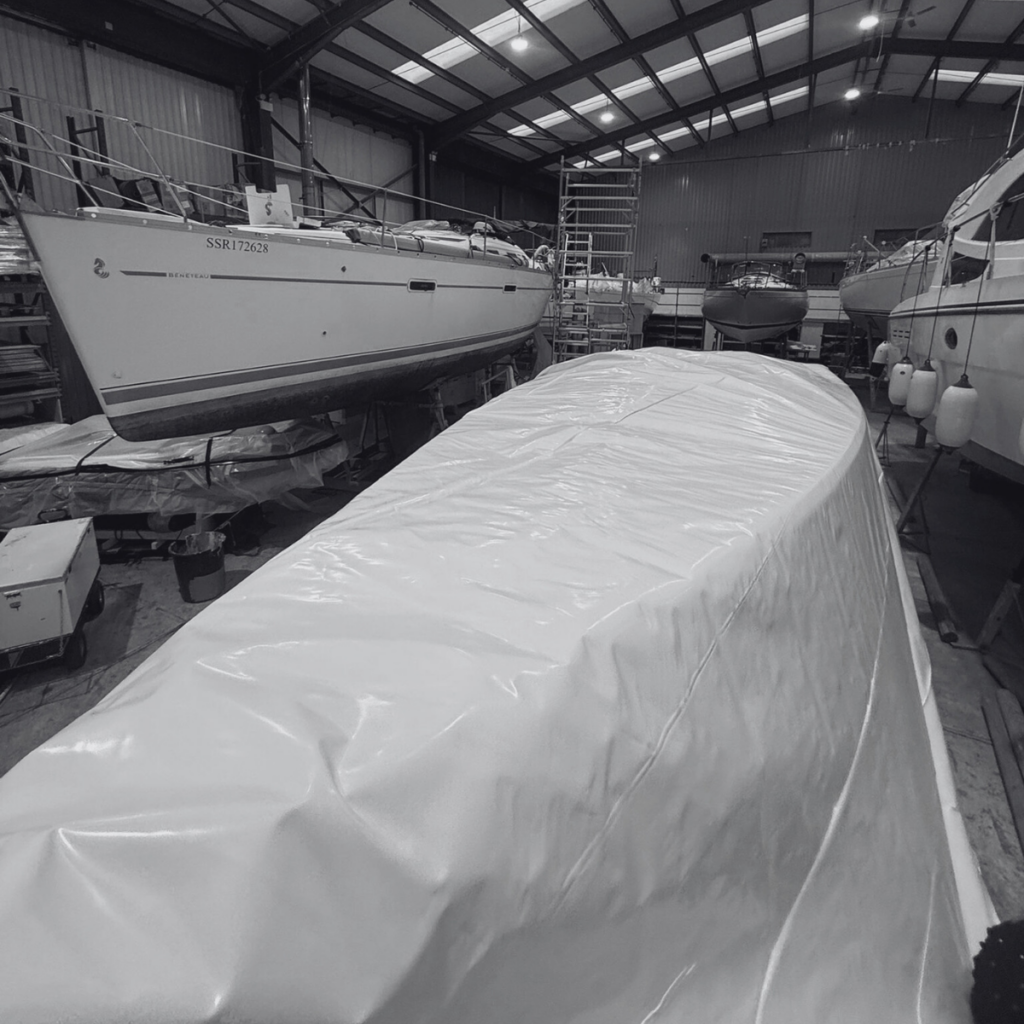
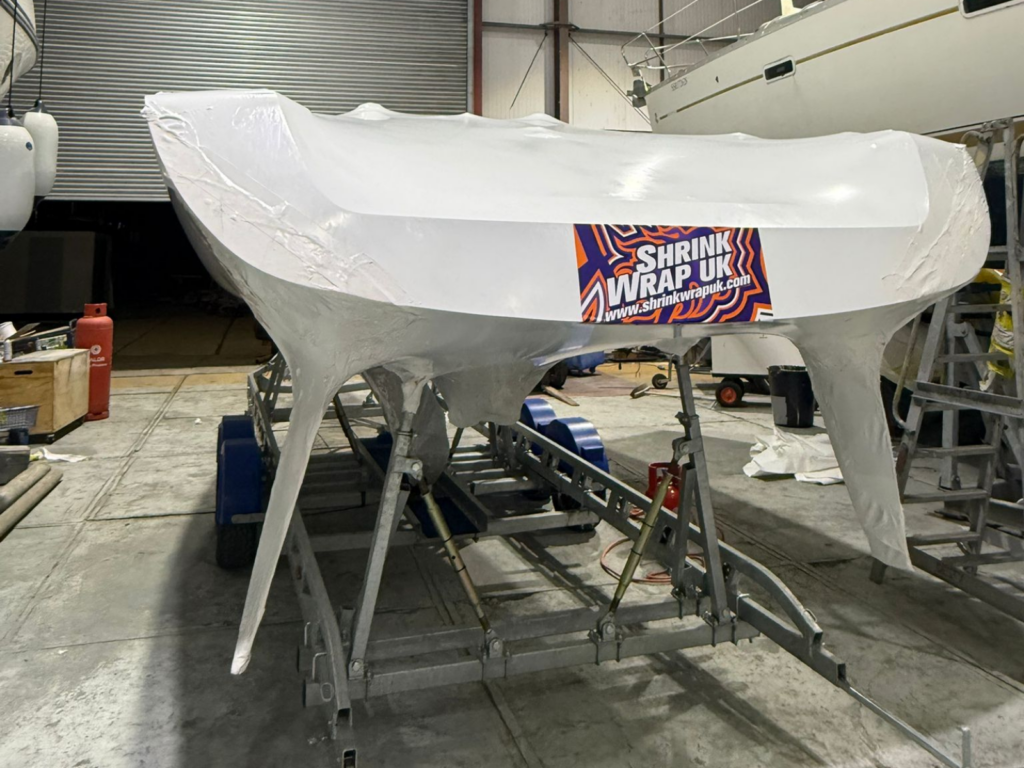
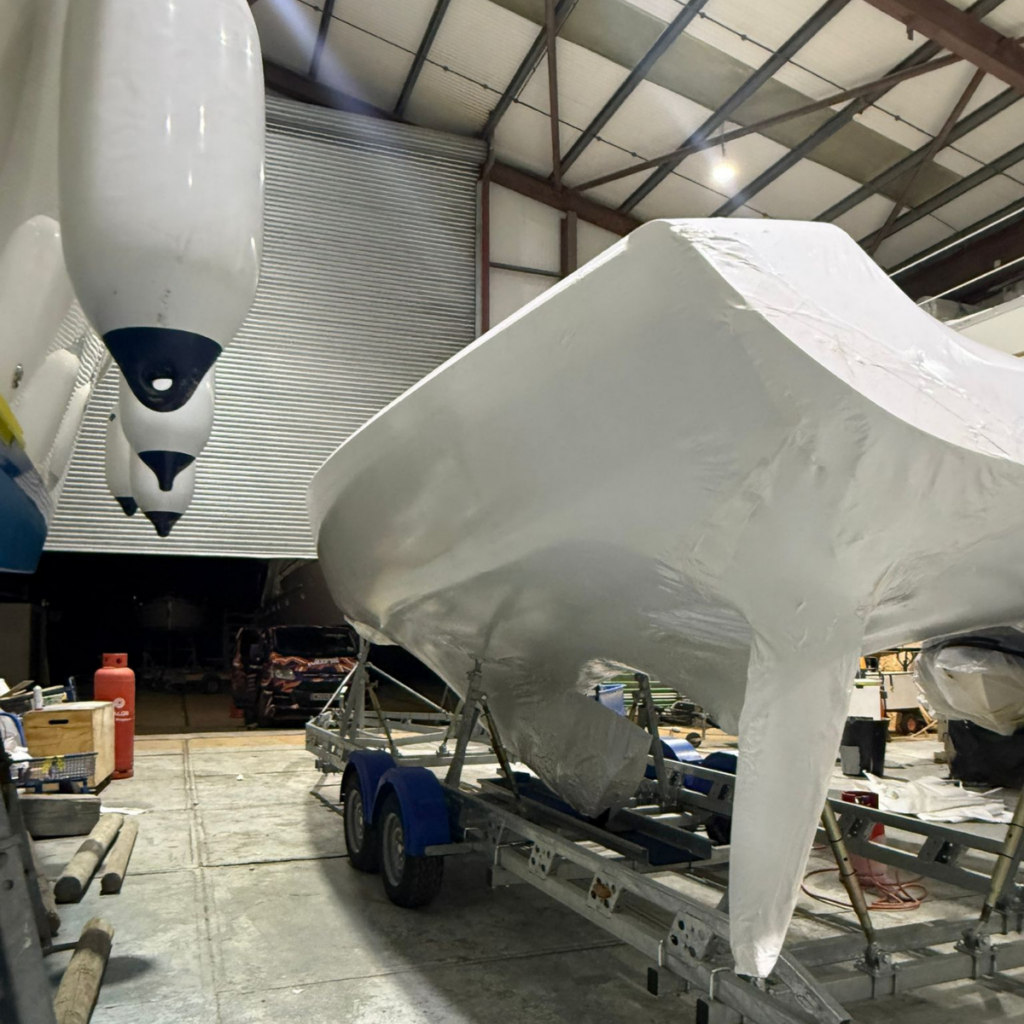
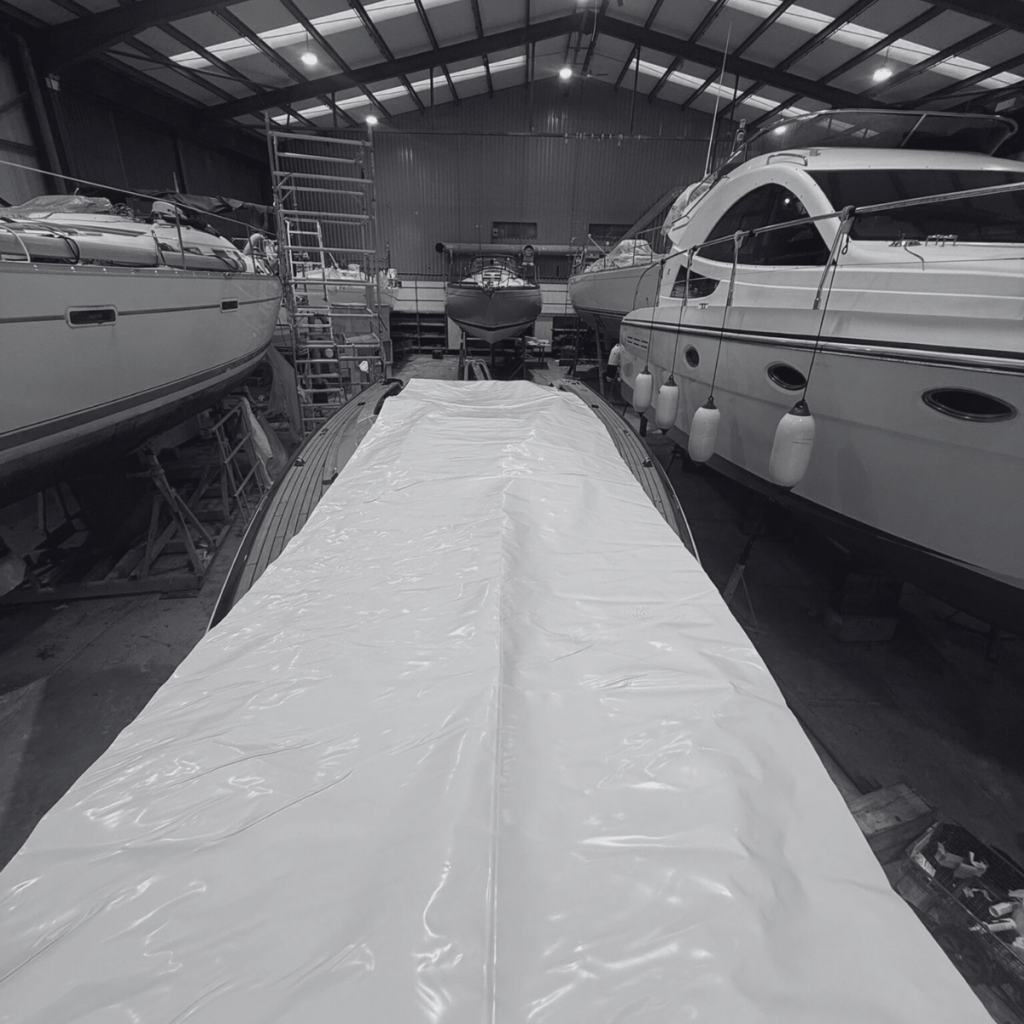
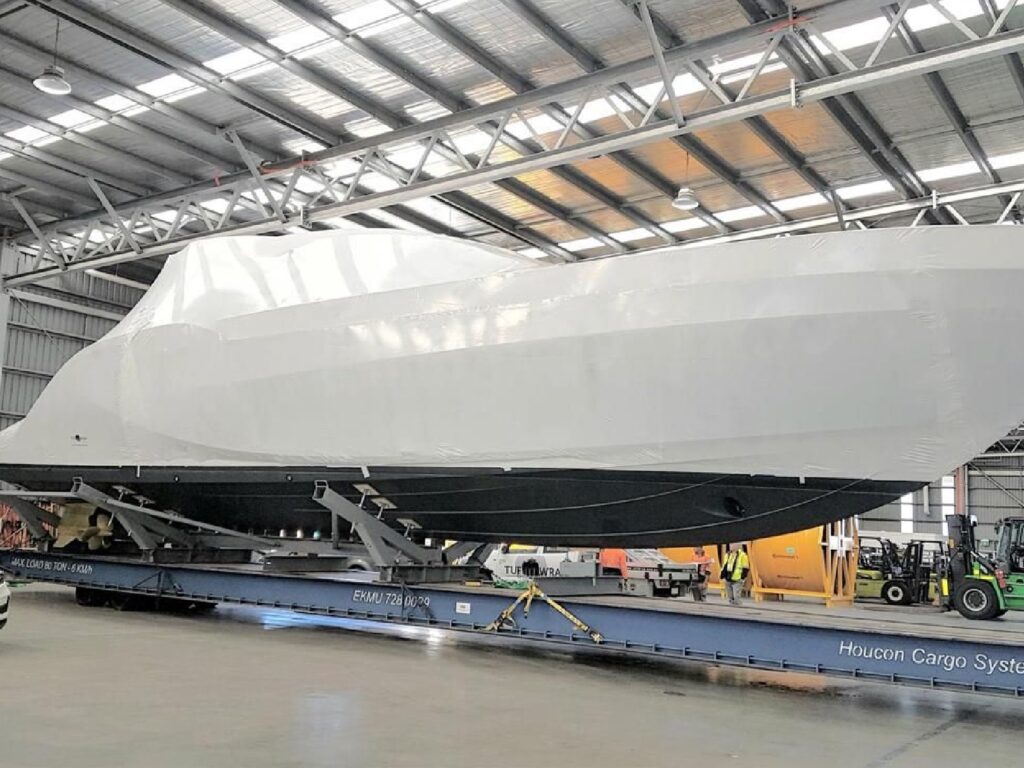
Marine shrink wrap is a heavy-duty polyethylene membrane that is custom-fitted around a boat or marine structure and heat-shrunk to create a drum-tight, sealed protective cover.
Unlike loose coverings, shrink wrap:
- Is tensioned and secured using a specialist strapping system
- Is heat-sealed at all joints
- Forms a fully waterproof barrier
- Can include ventilation systems to prevent condensation
- Withstands high winds and coastal exposure
It is widely used across:
- Sailing boats
- Motorboats
- Yachts
- Jet skis
- Commercial fishing vessels
- RIBs and leisure craft
- Marina dry storage facilities
The result is long-term protection without the constant adjustment required by traditional covers.
Why Standard Boat Covers & Tarpaulins Fall Short
Many boat owners initially opt for tarpaulins or canvas covers. While cheaper upfront, they often lead to long-term problems.
Common issues include:
Flapping & Abrasion
Wind movement causes covers to rub against paintwork and gelcoat, leading to surface damage.
Water Pooling
Loose tarps collect rainwater, increasing weight and stretching materials.
Tearing in High Winds
Strong gusts can rip covers free entirely.
Moisture Ingress
Standard covers rarely seal fully, allowing condensation and damp conditions to develop.
Mould & Mildew Growth
Poor ventilation traps moisture beneath the cover.
Marine shrink wrap eliminates these problems by creating a tight, secure, sealed structure designed specifically for the marine environment.
When Should Marine Shrink Wrap Be Used?
1. Winter Storage Protection
The most common use for marine shrink wrapping is winter lay-up.
Shrink wrap protects against:
- Frost damage
- Persistent rainfall
- Snow load
- UV degradation
- Salt air corrosion
- Falling debris
For vessels stored ashore or in marina yards, it provides a clean, dry protective shell throughout the off-season.
2. Boat Transportation
Transporting a boat by road or sea exposes it to:
- Road debris
- Brake dust
- Salt spray
- High-speed wind exposure
- Impact from loose materials
Shrink wrap reduces aerodynamic drag while protecting paintwork, fittings and exposed components.
For long-distance transport or export, it provides essential safeguarding.
3. Refits, Repairs & Maintenance
Shrink wrap can create a controlled working environment during:
- Repainting
- Varnishing
- Structural repairs
- Engine work
- Hull treatment
This helps contain dust and debris while shielding the vessel from external weather during works.
4. Long-Term Storage
For boats not in regular use, shrink wrap prevents gradual environmental deterioration and reduces cleaning requirements before recommissioning.
Key Benefits of Marine Shrink Wrap
1. 100% Weatherproof Barrier
The sealed membrane prevents rain, salt and moisture from reaching the vessel.
2. UV Protection
Extended sun exposure can fade paint, crack plastics and degrade materials. Shrink wrap reduces UV damage significantly.
3. Reduced Maintenance Costs
By preventing surface damage, corrosion and mould, owners avoid costly remedial works.
4. Improved Resale Value
Well-preserved vessels maintain cosmetic condition, which directly impacts resale value.
5. Enhanced Security
Shrink wrap creates a visible tamper barrier. Any unauthorised access is immediately obvious.
6. Professional Appearance
Marinas and commercial operators benefit from a clean, uniform appearance across stored vessels.
Marine Corrosion & Salt Protection
Salt exposure is one of the biggest threats to marine assets.
Salt-laden air accelerates corrosion on:
- Metal fittings
- Railings
- Engines
- Electrical components
- Fastenings
Shrink wrap acts as a barrier between the vessel and salt contamination, reducing oxidation risk during storage and transit.
For export or sea freight, additional protective systems such as desiccant packs and venting can be incorporated.
Preventing Condensation & Mould
A common misconception is that shrink wrap “traps moisture”.
Professional installations incorporate:
- Marine-grade ventilation systems
- Strategic airflow channels
- Moisture management solutions
This prevents condensation build-up and reduces the risk of mould and mildew growth inside the cover.
Improperly installed shrink wrap, however, can cause issues — which is why professional fitting is critical.
The Importance of Professional Installation
Marine shrink wrapping is not simply wrapping plastic around a boat.
Correct installation involves:
- Custom framing where required
- Proper strapping tension
- Reinforced stress points
- Safe, controlled heat application
- Correct vent placement
- Surface protection to prevent abrasion
Poorly installed shrink wrap can:
- Tear in wind
- Damage gelcoat
- Trap moisture
- Fail during storms
Professional installation ensures long-lasting, reliable protection.
Environmental Considerations
Modern shrink wrap materials are recyclable and designed to minimise waste.
Compared to repeated tarp replacement and repair waste from unprotected vessels, shrink wrap can actually reduce overall environmental impact when properly disposed of.
Many professional providers offer recycling solutions after removal.
The Cost of Marine Shrink Wrapping
Costs vary depending on:
- Vessel size
- Height and structure complexity
- Access requirements
- Location
- Duration of coverage
However, when compared to:
- Paint correction
- Gelcoat repair
- Corrosion treatment
- Mould remediation
Shrink wrap is a highly cost-effective preventative solution.
Frequently Asked Questions About Marine Shrink Wrap
1. How long does marine shrink wrap last?
Marine shrink wrap can last an entire winter season and, in many cases, longer depending on environmental exposure. It is designed to withstand high winds and heavy rain.
2. Is shrink wrap better than a traditional boat cover?
Yes. Shrink wrap provides a fully sealed, tensioned barrier that does not flap, pool water or allow moisture ingress like traditional covers.
3. Can shrink wrap prevent mould and condensation?
When professionally installed with proper ventilation, shrink wrap significantly reduces condensation build-up and mould risk.
4. Can boats be shrink wrapped for transport?
Absolutely. Marine shrink wrap is commonly used for road haulage and sea freight to protect vessels from debris, salt and weather damage.
5. How much does marine shrink wrapping cost in the UK?
Pricing depends on vessel size and access requirements. Contacting a professional installer for a tailored quotation is recommended.
Protect Your Marine Investment
Boats and marine vessels represent significant financial investment — and exposure to harsh environmental conditions can cause costly damage over time.
Whether you require:
- Winter protection
- Transport protection
- Long-term storage cover
- Refit containment
Professional marine shrink wrap offers a secure, weatherproof and cost-effective solution.
📞 Contact our team today to discuss your marine shrink wrap requirements and receive a tailored quotation.
